
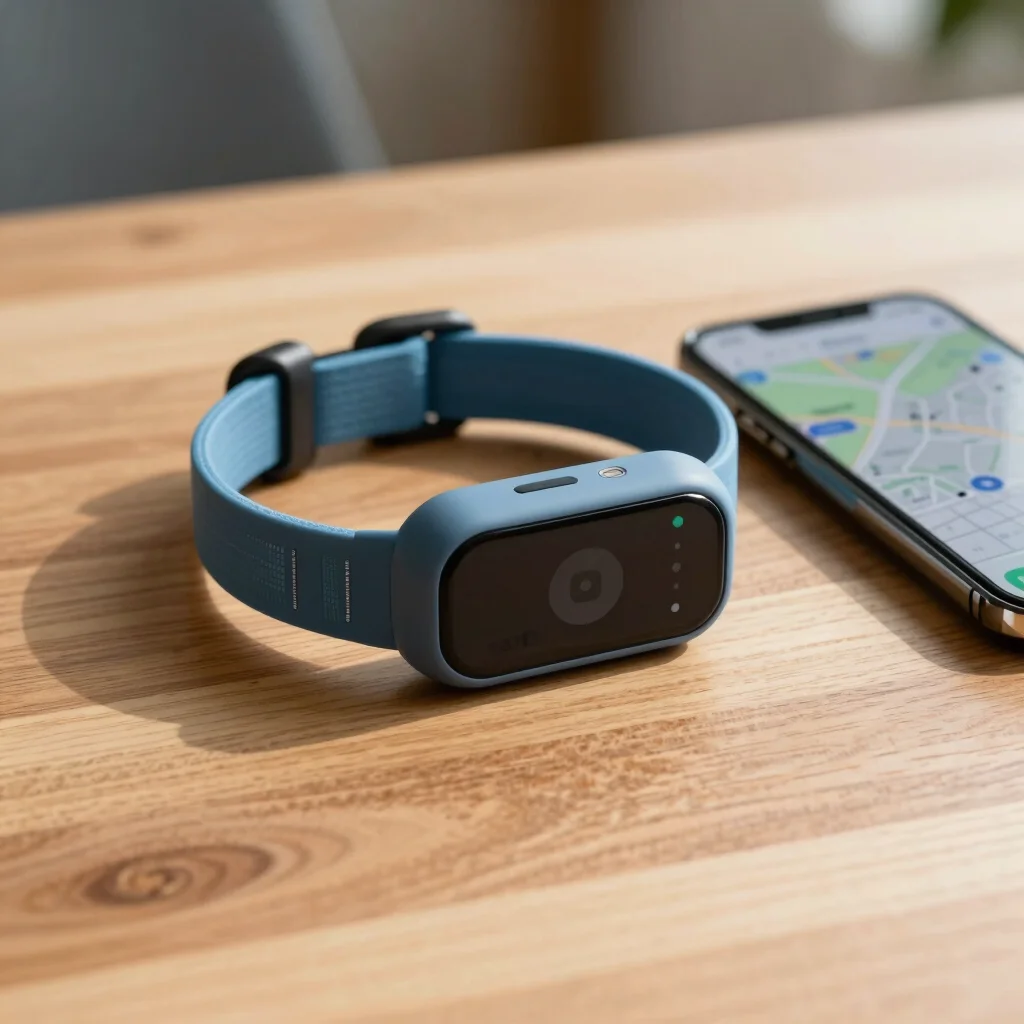
Choosing between a dedicated cellular GPS dog collar and a low-cost Bluetooth tag like the Apple AirTag comes down to location range and real-time tracking needs. While Bluetooth trackers work well in dense suburban neighborhoods with high phone traffic, dedicated GPS collars rely on cellular networks and satellite signals to track dogs across wilderness trails or open rural land.
Tracking Range and Signal Reliance
Dedicated GPS collars use integrated cellular SIM cards alongside GNSS satellites to send live position coordinates directly to your smartphone app regardless of nearby pedestrians. In contrast, Bluetooth location tags depend entirely on passing smartphones within a thirty-foot radius to relay location data back to the network.
Battery Performance and Size Considerations
Battery longevity creates a sharp trade-off between device weight and update frequency for active dogs. Standard Bluetooth tags operate on a replaceable CR2032 coin battery that lasts roughly twelve months without recharging, making them extremely light for toy and small breeds. Cellular GPS collars require rechargeable lithium batteries that demand plug-in charging every three to fifteen days depending on tracking interval settings.
Ongoing Subscription Costs and Total Value
While a Bluetooth tag requires only a one-time hardware purchase of around thirty dollars, cellular GPS devices require an ongoing monthly or annual subscription fee ranging from five to fifteen dollars to cover cellular data usage. For owners of escape-prone dogs in rural or low-density suburban areas, that recurring cost provides dedicated cellular location updates when Bluetooth networks fall short.


