
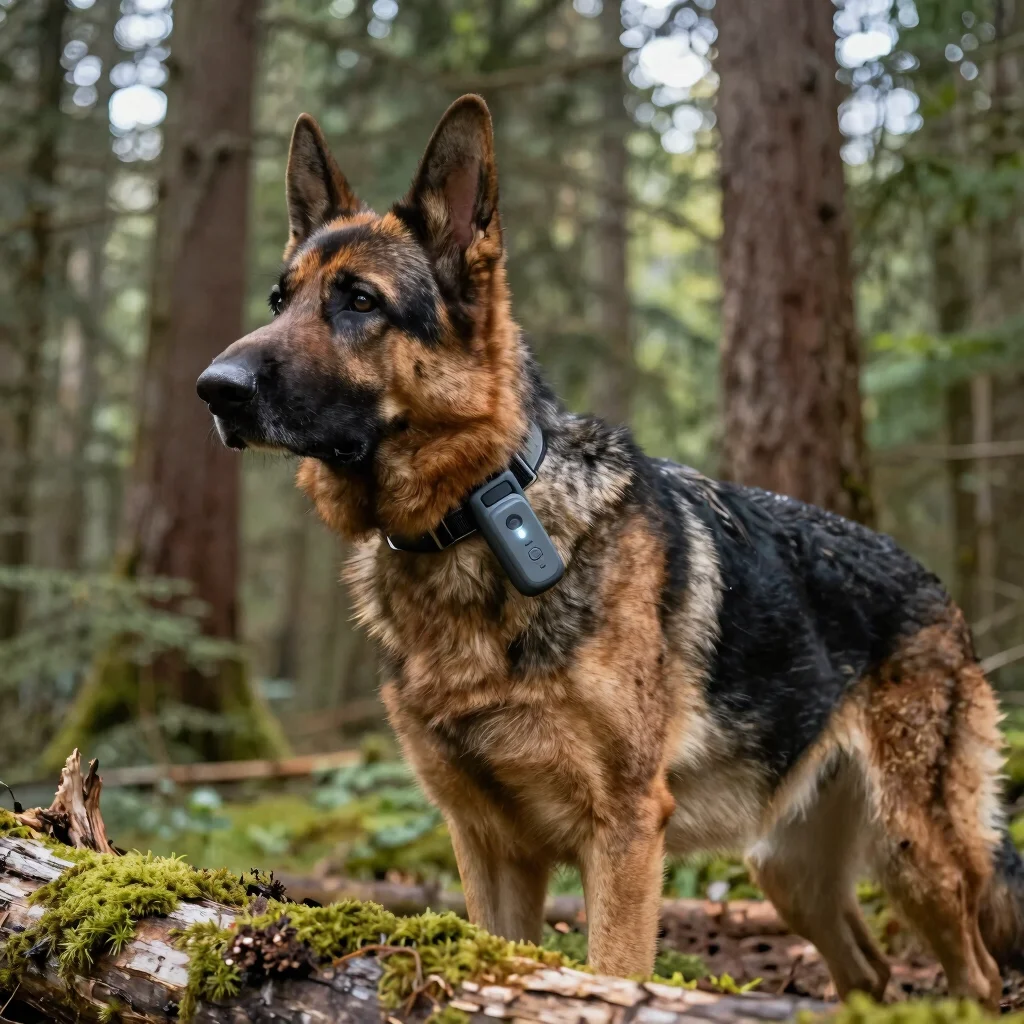
When off-leash hiking takes you beyond cellular range, consumer tracking collars face a stern durability benchmark. We field-tested satellite-enabled tracking systems across high-elevation timberline trails to measure real-world latency, battery drain, and signal acquisition under thick pine canopy.
Signal Latency Under Heavy Canopy
Most smart collars rely on blended cellular and GPS signals to conserve battery during everyday suburban walks. However, dense pine canopy drastically alters fix frequency, forcing hardware to poll satellites continuously at high power to maintain precision.
Battery Overhead and Power Management
Maintaining an active ping interval while searching for obstructed satellite constellations generates significant heat and drains battery packs twice as fast as nominal claims. Choosing hardware with customizable update intervals is essential for safety during multi-day backcountry treks.
Hardware Build Quality and Water Resistance
A trackable collar is useless if a quick stream crossing destroys the internal circuit board. Look for IPX7 or higher water resistance ratings and reinforced nylon weave straps that resist snagging on sharp underbrush.


