
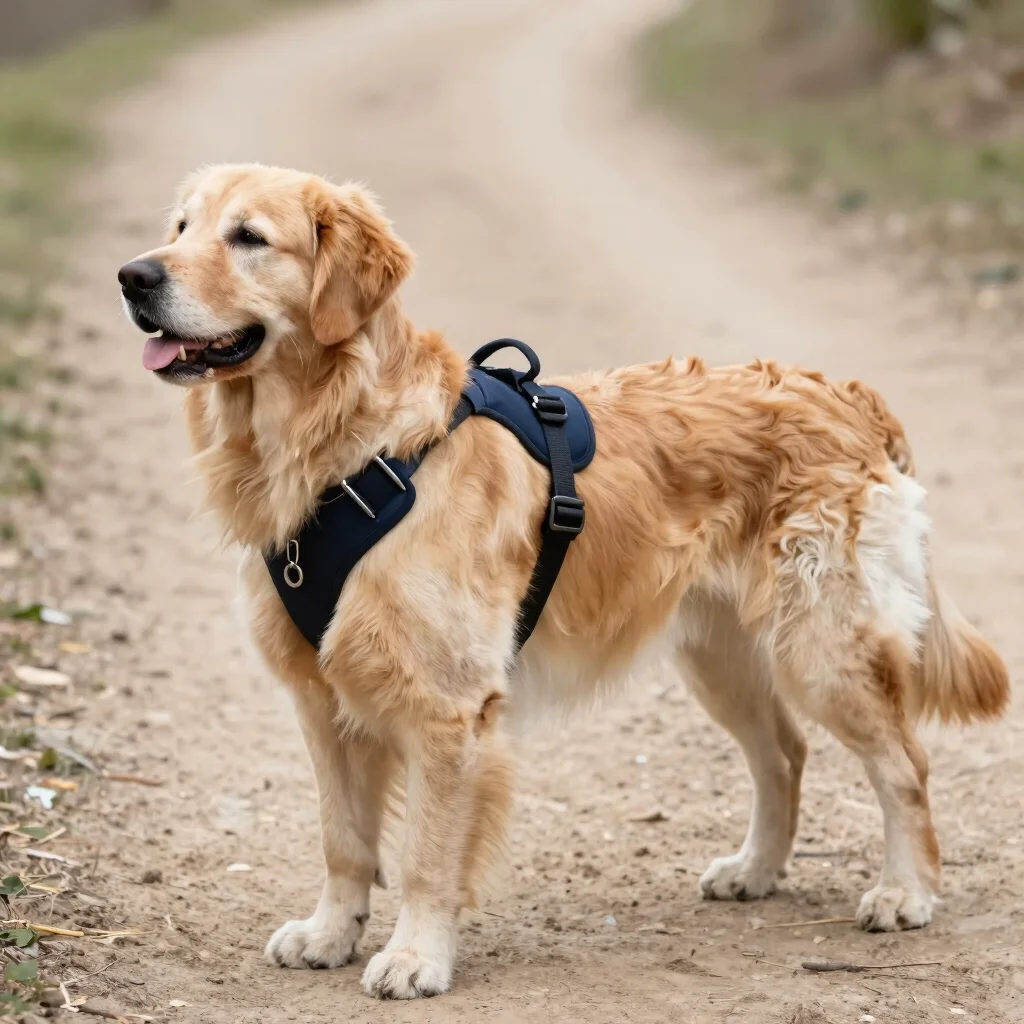
Finding a harness that offers restraint without restricting natural shoulder movement requires careful attention to canine ergonomics. Standard restrictive chest straps often press directly against the humerus, forcing unnatural gait patterns during long trail runs or urban road walks.
Y-Shaped Chest Plates vs Straight Straps
A true Y-shaped harness sits flat against the sternum, leaving the shoulder blades entirely free to extend forward without impediment. During our unbiased evaluation, harnesses with padded Y-chests showed zero signs of chafing behind the forelegs even during extended uphill pulling.
Load Distribution and Structural Stitching
Heavy-pulling dogs put immense tension on primary leash attachment points. Reinforced box-stitching and solid aluminum hardware are non-negotiable standards for build quality, ensuring structural integrity under sudden impact loads.
Adjustability Across Varied Canine Body Types
Deep-chested breeds require independent adjustment points at both the neck and torso to prevent shoulder slippage. Choosing gear with four to five adjustment slides guarantees a tailored fit that prevents slipping out during sudden movements.


