Vehicle pet safety gear varies widely in construction quality, and label claims like road tested do not automatically guarantee impact protection during a collision. True vehicle restraint safety depends on independent dynamic crash testing performed at standardized impact speeds using calibrated crash test dogs.
Understanding Dynamic Crash Test Standards
Reputable manufacturers submit harnesses to independent testing facilities that simulate thirty mile per hour vehicle crashes using FMVSS 213 child safety seat benchmarks. These dynamic tests measure webbing elongation, hardware integrity, and total excursion distance to verify that the harness prevents the dog from impacting the front seat console.
Webbing Materials and Hardware Construction
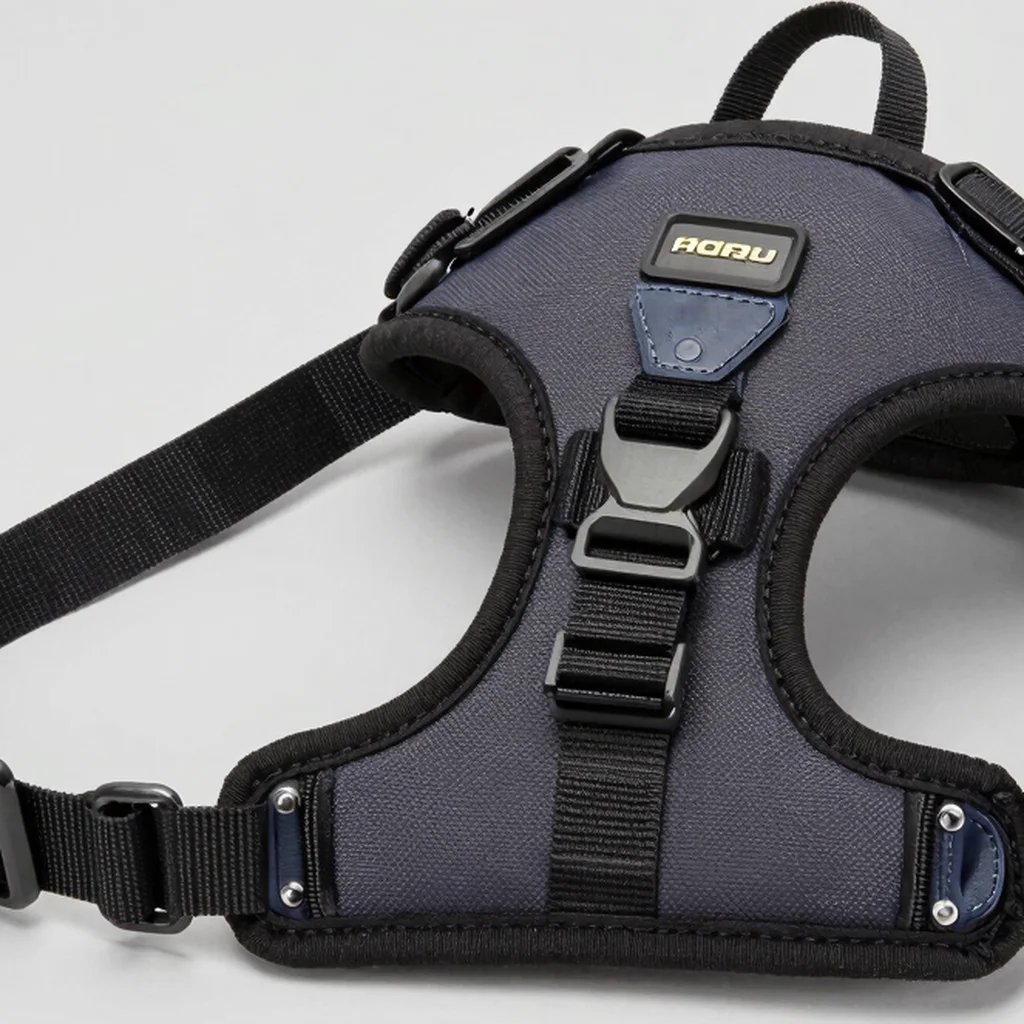
Harnesses built for automotive safety utilize strength-tested nylon webbing similar to human seatbelt material alongside steel carabiners and nested aluminum buckles. Plastic side-release buckles and thin polyester stitching frequently fail under the multi-thousand-pound impact forces generated in high-speed traffic stops.
Sizing Accuracy and Proper Seatbelt Attachment
A crash-tested harness must fit snugly across the dog's chest and shoulders to distribute impact force evenly across large skeletal structures. Attaching the harness directly to the vehicle's seatbelt webbing using a short, rated tether keeps the dog securely anchored while preventing dangerous rotational twisting during sudden braking.